

Continuous professional development is an integral part of our identity at Las Almas. For this reason, we didn't miss the opportunity to welcome our valued partners from Neurocare to our premises in Vienna to deepen our knowledge. What followed were two intensive, yet productive and stimulating days of learning.
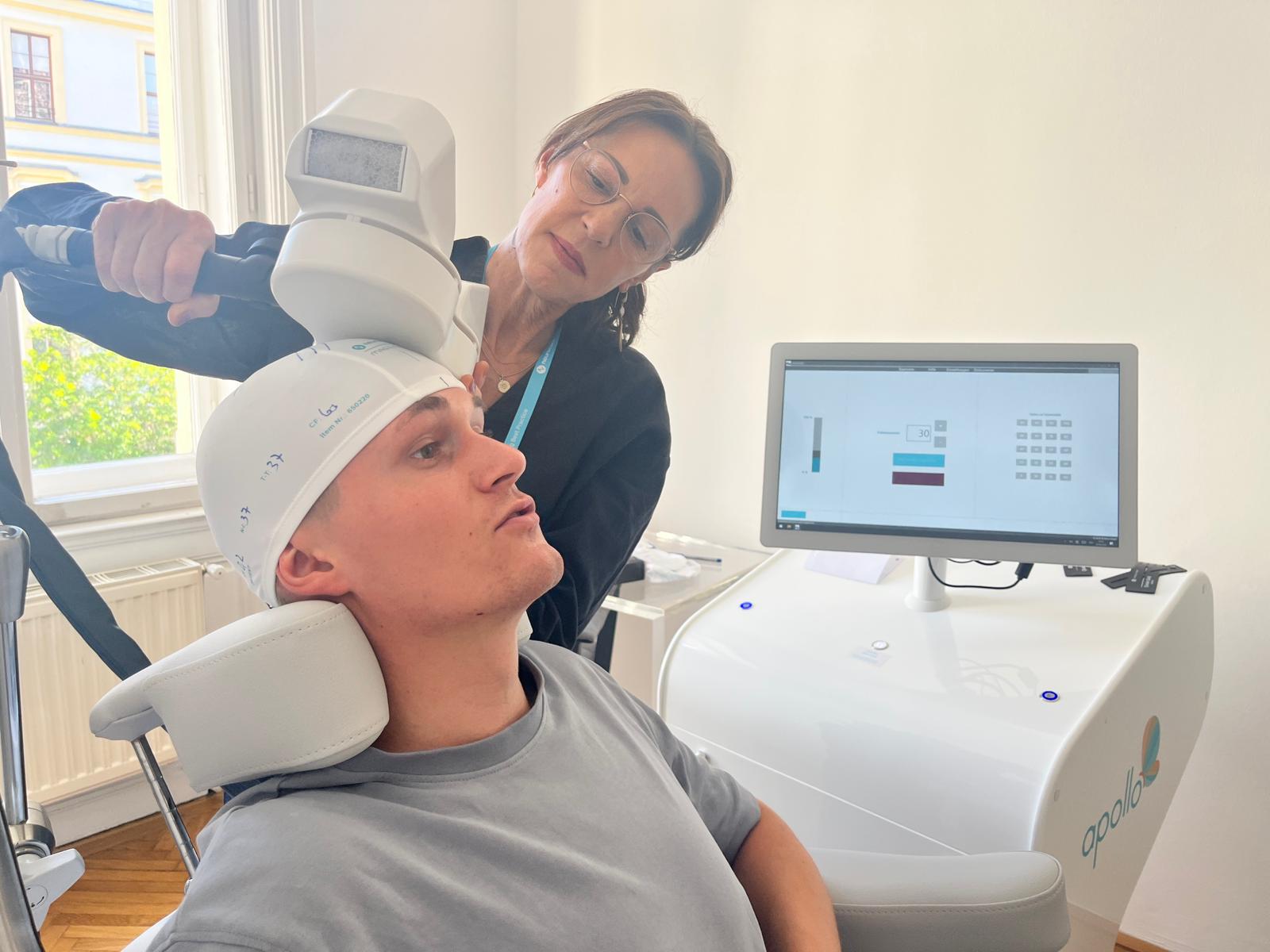
The focus was on neurofeedback technologies and transcranial magnetic and alternating current stimulation, which we offer in all our institutes. These three innovative methods have in common that they are completely non-invasive and make it possible to specifically stimulate and train areas of the brain.
Before the practical training sessions, we each received detailed insights into the history and theory of our tools, which enabled us to gain a better understanding of their application and place them within a historical tradition. Anyone expecting dry theory here was sorely mistaken: Interesting discussions arose among the participants, ranging from questions of the philosophy of science to current health policy issues, such as the discourse surrounding the concept of neurodivergence. All this information and these insights certainly gave rise to surprises and stimulated further reflection. For example, the author of these lines was previously unaware that rTMS technology was only discovered in the 2000s and that there has been an almost meteoric rise in research on this topic since then. A feeling of delight at being so at the forefront of current developments was unavoidable. Speaking of Freud(s): In Vienna, considerations surrounding Sigmund Freud's theories, especially with regard to brain frequencies, were naturally a must.
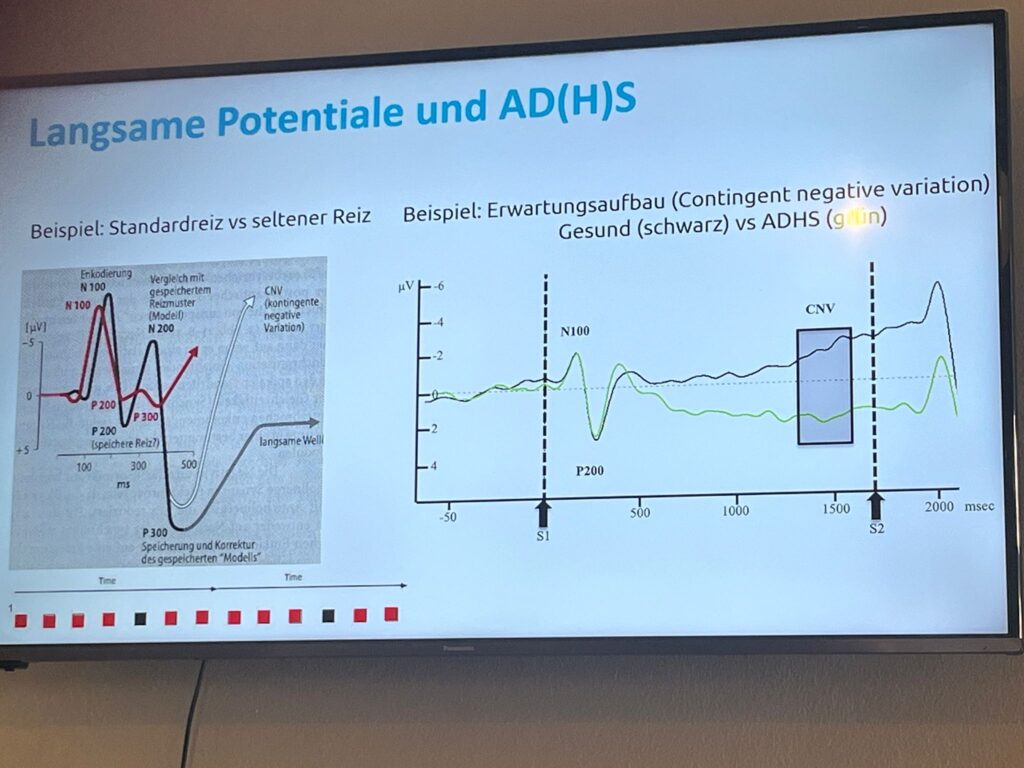
But since theory is always meaningless without practice, we quickly moved on to operating the equipment. Here, our participants had the opportunity, under expert guidance, to refine and streamline the techniques they had already used. This weekend, for example, we paid particular attention to applying the electrodes for neurofeedback training of the so-called "slow cortical potentials." This relatively new application of neurofeedback focuses on the underlying mechanism of all brain activity: the alternation between tension and relaxation, between activity and passivity. It has proven particularly effective in treating ADHD and in performance-enhancing training for professional athletes. We also expanded our existing knowledge to include further ways of personalizing neurofeedback training, enabling us to best meet the individual needs of our patients.
It is also worth emphasizing the particular value that the combined training on all three devices had for our services: The deeper insight into the functional mechanisms of the devices, as well as the brain as a whole, opened up further possibilities for us to tailor our therapeutic approach even more precisely to our patients through various combinations and focusing of the procedures. It can be said with certainty that the content taught this weekend will continue to resonate within our Las Almas DNA and will bear further, as yet unforeseen, fruit in the near future.
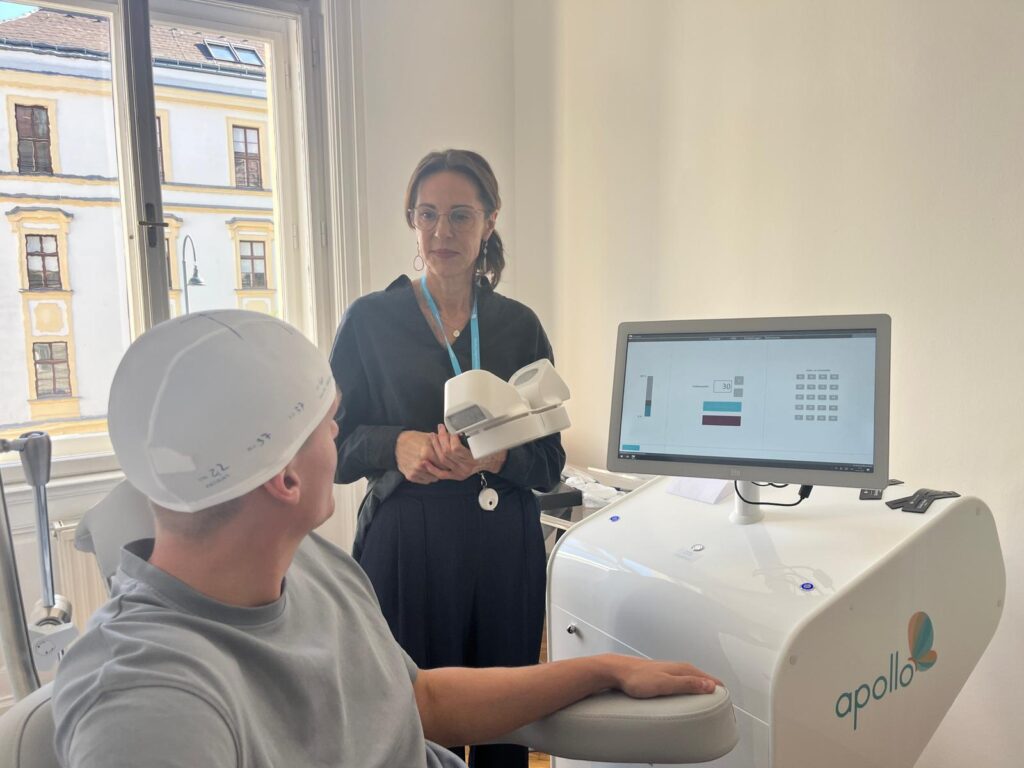
What remains now that the weekend is over and I'm reflecting? My first impulse is a feeling of gratitude. Gratitude towards the fantastic Neurocare team, who patiently and expertly answered all our questions and took the time to visit us in Vienna. But also gratitude towards all the colleagues from all our locations for the successful exchange and the opportunity to see each other again in person – despite being scattered across several countries – and to experience together the feeling of creating something new and significant. Furthermore, there's the feeling of curiosity to learn more about these exciting technologies and the fascinating world of the human brain. But if one thing resonates, it's the sense of new beginnings that permeates the halls of Las Almas, driving us to popularize these still relatively unknown yet incredibly helpful technologies and thus support as many people as possible on their path to recovery.
Warm regards,
Dominik Rainer
